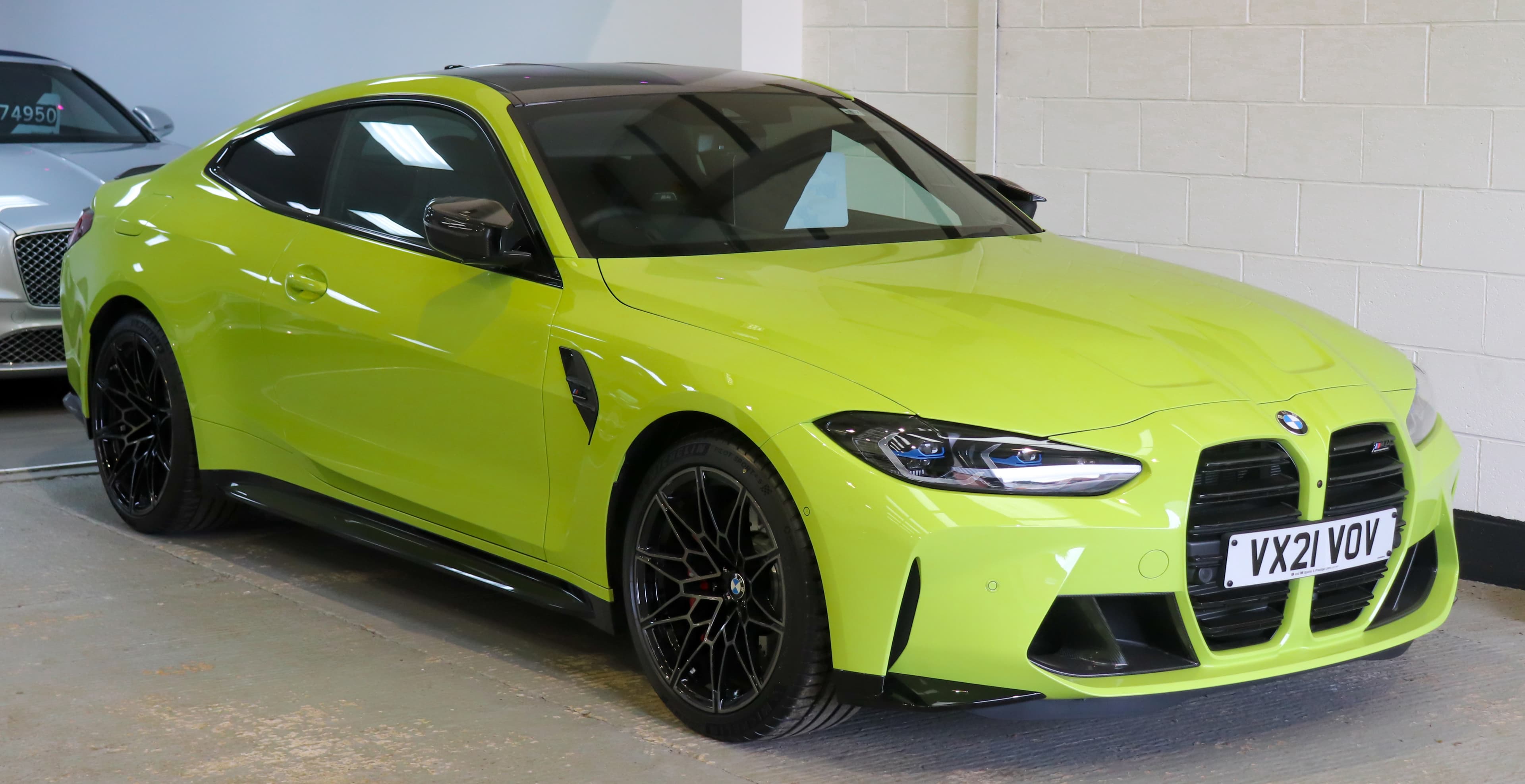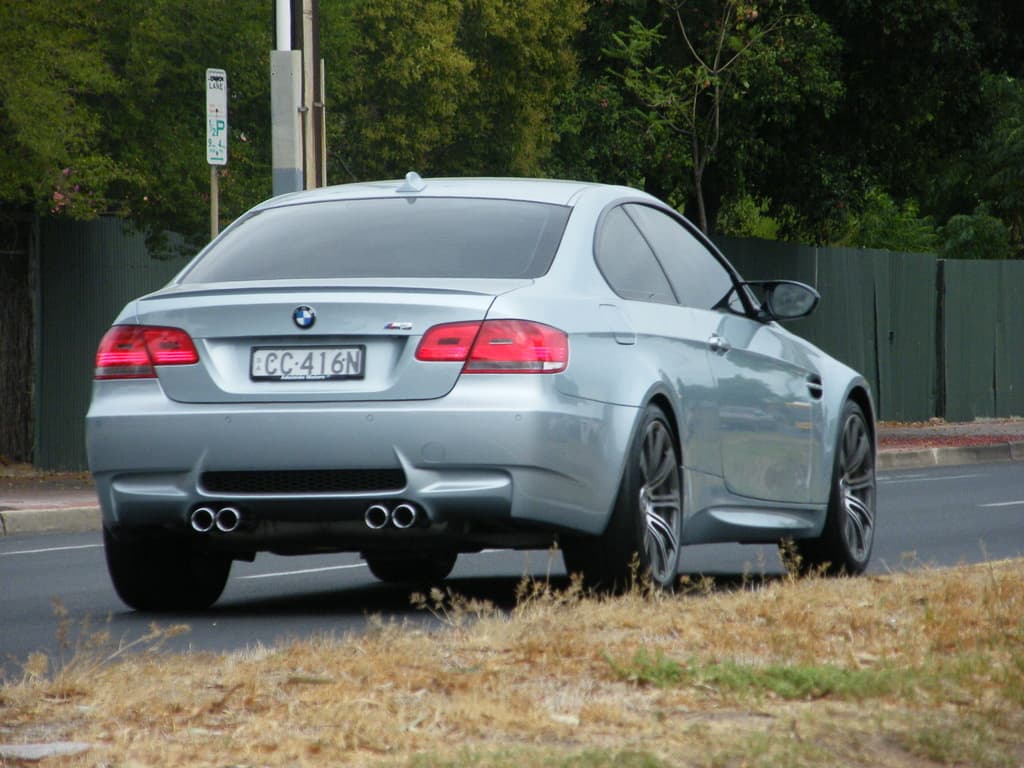
Whether you're buying a $15,000 E36 M3 or a $90,000 G82 M4 Competition, the same discipline applies before you hand over any money. BMW M cars reward careful buyers and punish impulsive ones. Here is the checklist we recommend to every buyer on Mhauz.
1. Pull the Title History Report
Every listing on Mhauz includes an NMVTIS title check — a federal database check for salvage, rebuilt, flood, and junk title designations. Featured and Spotlight listings include a full Carfax. Read both. A single salvage designation changes the entire calculus of a purchase. Unless you are specifically buying a salvage-title project at a salvage-title price, walk away from any car with a branded title.
2. Verify the VIN in Three Places
The VIN stamped on the dashboard (visible through the windshield), the door jamb sticker, and the engine bay should all match each other and the title. Mismatched VINs are a serious red flag — at best, a replaced panel; at worst, a VIN swap on a stolen car.
3. Research Model-Specific Failure Points
Every M generation has known issues. Know them before you inspect the car:
- E30/E36 M3: Rust (rocker panels, floors), cooling system, DISA valve (E36)
- E46 M3: Rod bearings (S54), VANOS rattle, SMG hydraulics, subframe cracks
- E60 M5 / E63 M6: SMG/DCT pump, VANOS, throttle actuators (S85)
- E90/E92/E93 M3: Throttle actuators (S65), rod bearings (high-rev use), VANOS
- F80/F82/F83 M3/M4: High-pressure fuel pump (S55), water pump, oil consumption
- G80/G82/G83 M3/M4: S58 is proving reliable; check for warranty status
- F10 M5 / F06/F12/F13 M6: Rod bearings (S63), fuel injectors, charging system
4. Insist on a Cold Start
Start the engine from fully cold. Listen for VANOS rattle (a metallic clatter that fades as the engine warms), rod knock (a rhythmic deep knock under load), or any ticking that shouldn't be there. A seller who warms up the car before your arrival, or who "just drove it over," is hiding something. A legitimate seller has nothing to fear from a cold start.
5. Check the Oil
Pull the dipstick. Black, thick sludge indicates years of neglect and possibly sludged oil passages — expensive to remediate. Milky or frothy oil indicates coolant contamination, usually from a failing head gasket. Metal particles visible in the oil mean internal engine wear. Any of these are walk-away conditions unless the price reflects a parts car.
6. Inspect for Rust — Systematically
Focus your attention on: wheel arches (where paint chips and moisture accumulate), door sills and rocker panels (structural rust is expensive), the trunk floor and spare tire well, and the undercarriage — particularly the subframe mounting points on E46-era cars. Light surface rust on brake rotors and exhaust is normal and cosmetic. Structural rust is not. Never buy any BMW sight-unseen without an independent inspection.
7. Drive It — Actually Drive It
A test drive means driving the car, not riding in it. If the seller insists on driving while you observe, decline. You need to feel: any pulling under hard braking (warped rotors, brake bias issues), transmission engagement through all gears, differential behavior under throttle mid-corner, steering feel, and throttle response. Take it to a quiet road and make it work. A car with problems will tell you.
8. Ask for Every Service Record
A documented service history is worth $2,000–$5,000 in peace of mind and sometimes more in resale value. Oil change intervals, cooling system service, rod bearing inspections, valve adjustments on older engines, brake fluid changes — the best M cars have all of this on paper. Digital records from dealer portals count. A seller who "just did everything" but has no receipts is not a seller you should trust.
9. Commission an Independent PPI
A professional pre-purchase inspection from an independent BMW specialist costs $150–$350 and routinely uncovers $2,000–$10,000 in deferred maintenance or hidden damage. Never skip a PPI on any car over $20,000. Specify that you want it done at a shop that works on BMW M cars regularly — a general mechanic may miss S54-specific rod bearing wear or VANOS issues that an M specialist will find immediately. The seller ships the car (or you meet at the shop). Any seller who refuses a PPI is refusing for a reason.
10. Trust Your Instincts
If something feels off — a seller who won't negotiate on a car that's been sitting for six months, a car with fresh paint over a single panel, stories about ownership that don't quite add up, a price that seems too good to be true — trust that instinct. In a market where well-maintained M cars hold their value, the right car at the right price does exist. It just may take waiting for it. The right M car will come around.
On Mhauz
Every listing on Mhauz includes an NMVTIS title check. Seller identity is verified via Stripe Identity for Featured and Spotlight tiers. Carfax reports are purchased automatically for Featured and Spotlight listings. We do the baseline work so you can focus on the inspection that actually matters: getting your hands on the car.